Our Solutions
 Gas
Gas Pipe line
 Wastewater
 Water
Water Energy/Telecom
 Underground
 Geophysics
Gas Industry
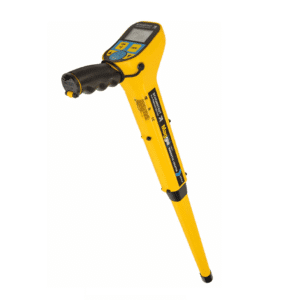
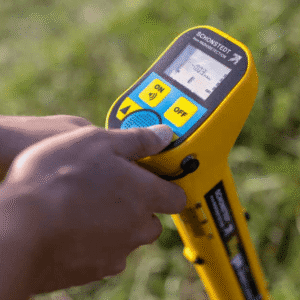
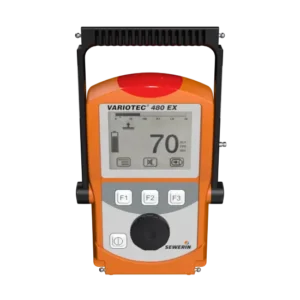
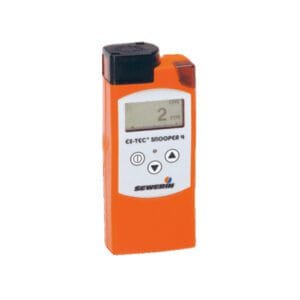
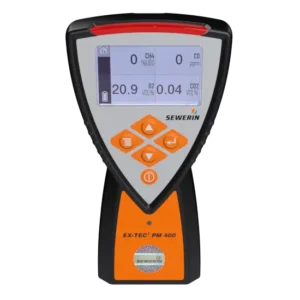
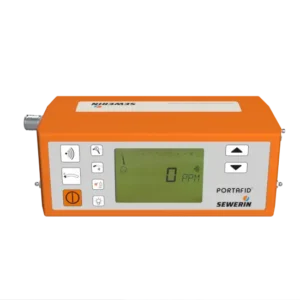
We offer advanced technology solutions for leak detection, line monitoring, and measurement applications in natural gas distribution and service lines. We maximize operational safety and detect leaks instantaneously with our gas detectors and precision measurement devices.
Pipelines
Leak detection and infrastructure analysis in oil, natural gas, and water pipelines are carried out under the assurance of Enermak. With our high-precision PCM and insulation control systems, we minimize the risks of loss and failure in long-distance pipelines.
Wastewater Systems
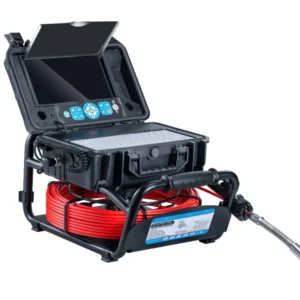
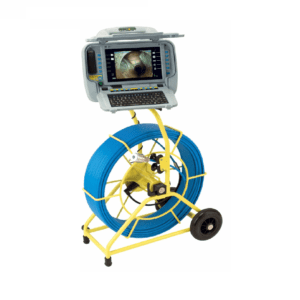
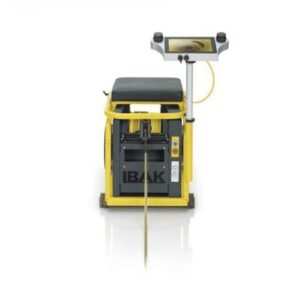
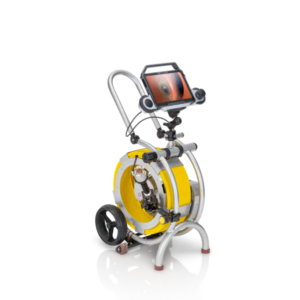
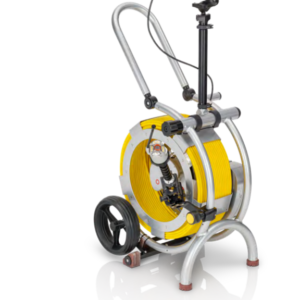
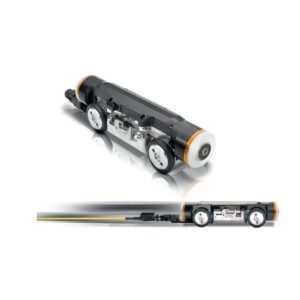
We offer robotic imaging and cleaning systems for leak detection, blockage analysis, and line inspection in wastewater infrastructure. We provide sustainable, eco-friendly, and fully regulatory-compliant solutions for municipalities and industrial facilities.
Water Management
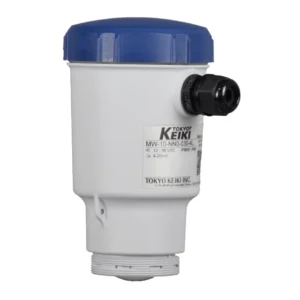
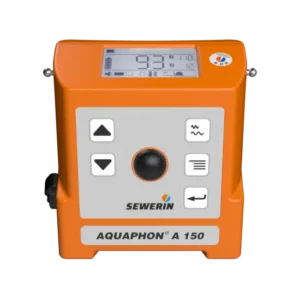
We offer the world's most advanced acoustic leak detection solutions and flowmeters to reduce physical water losses in drinking water networks. We protect water resources and lower operational costs through accurate field data."
Energy & Telecommunications
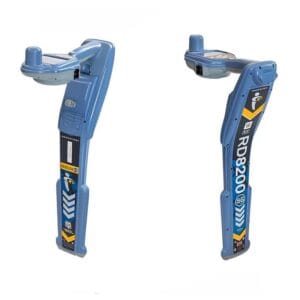
We offer electromagnetic solutions for the precise detection and safety of underground power cables and fiber optic lines. By minimizing downtime with our advanced cable fault location systems, we ensure business continuity.
Underground Detection
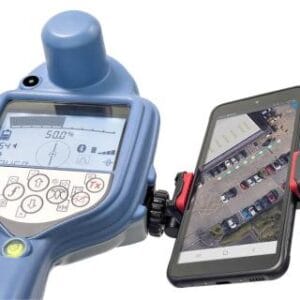
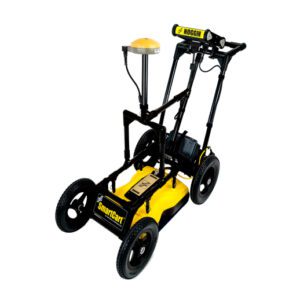
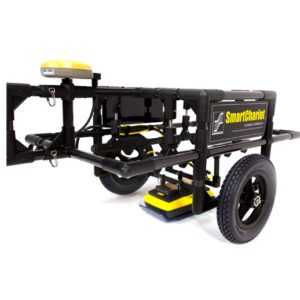
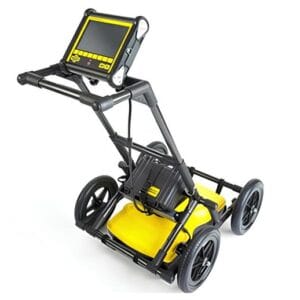
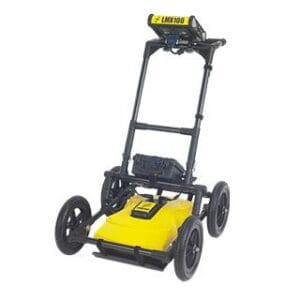
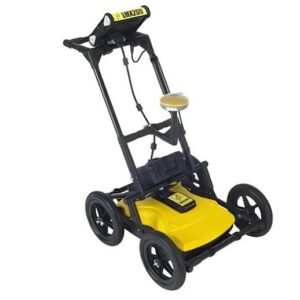
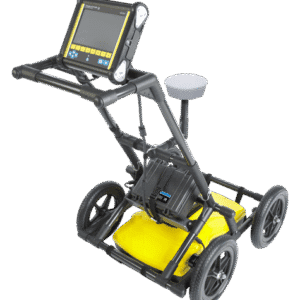
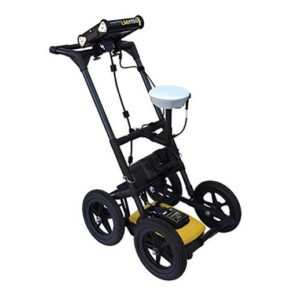
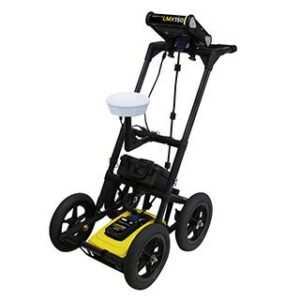
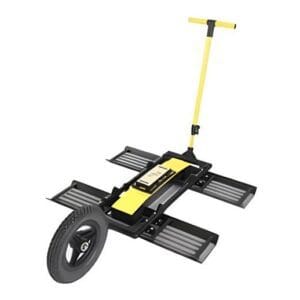
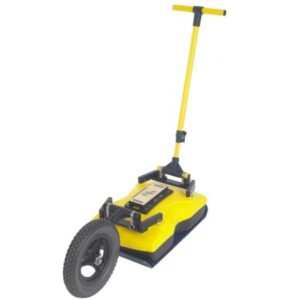
We determine the location of pipes, cables, and voids with millimetric precision using Ground Penetrating Radar (GPR) and electromagnetic detector systems before excavation. We eliminate the risks of unexpected damage and costs in infrastructure projects.
Geophysical Surveys
We perform detailed analysis of ground and underground formations using seismic, electrical, and electromagnetic systems. We provide scientific, measurable, and reliable data for major engineering projects and ground risk assessments.
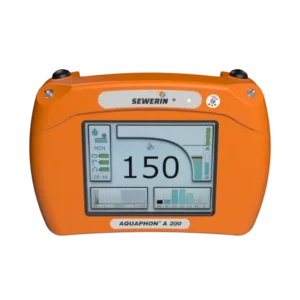
![Sewerin_aquaphon_A150_2[1]](https://enermak.com/wp-content/uploads/2022/05/Sewerin_aquaphon_A150_21-300x300.png "Sewerin_aquaphon_A150_2[1]")